India’s Automotive Future: Driving Innovation Through Localization and Collaboration
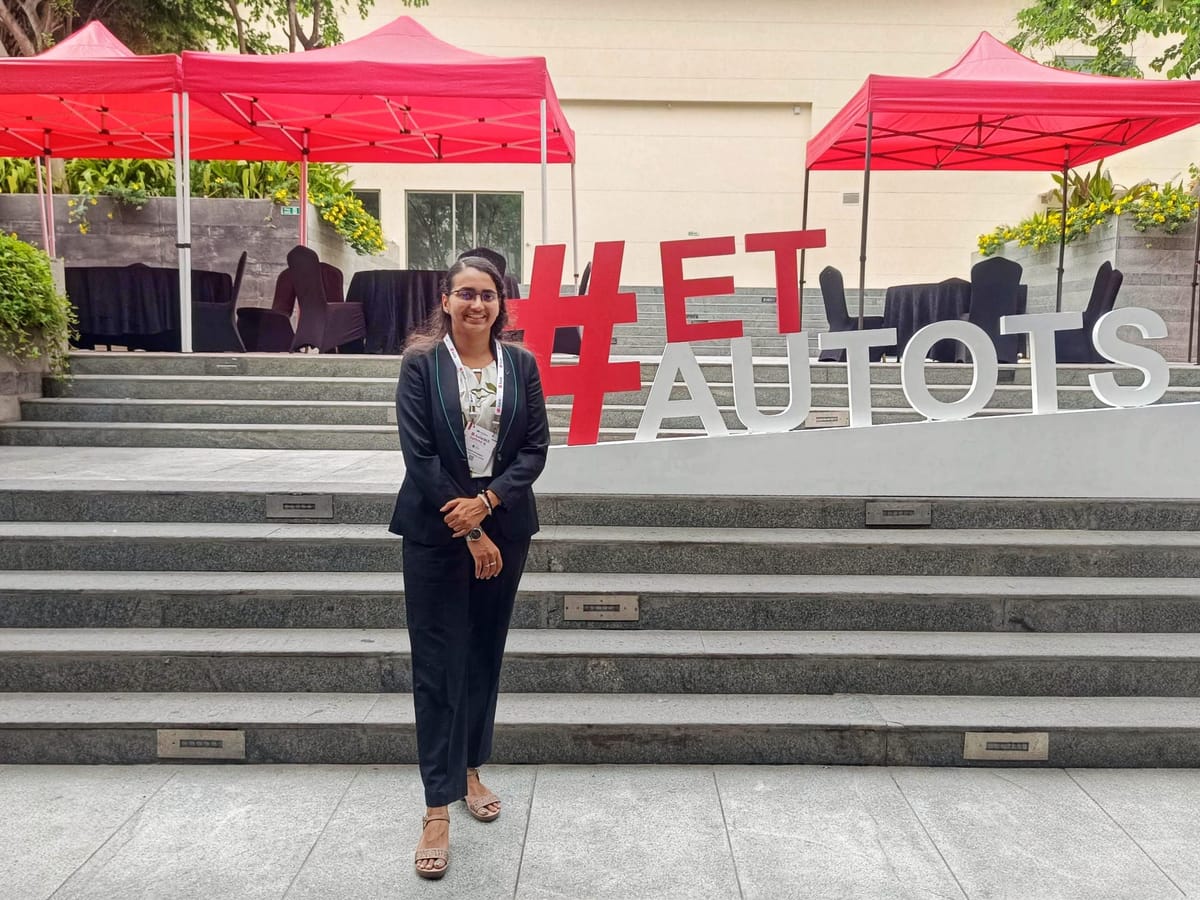
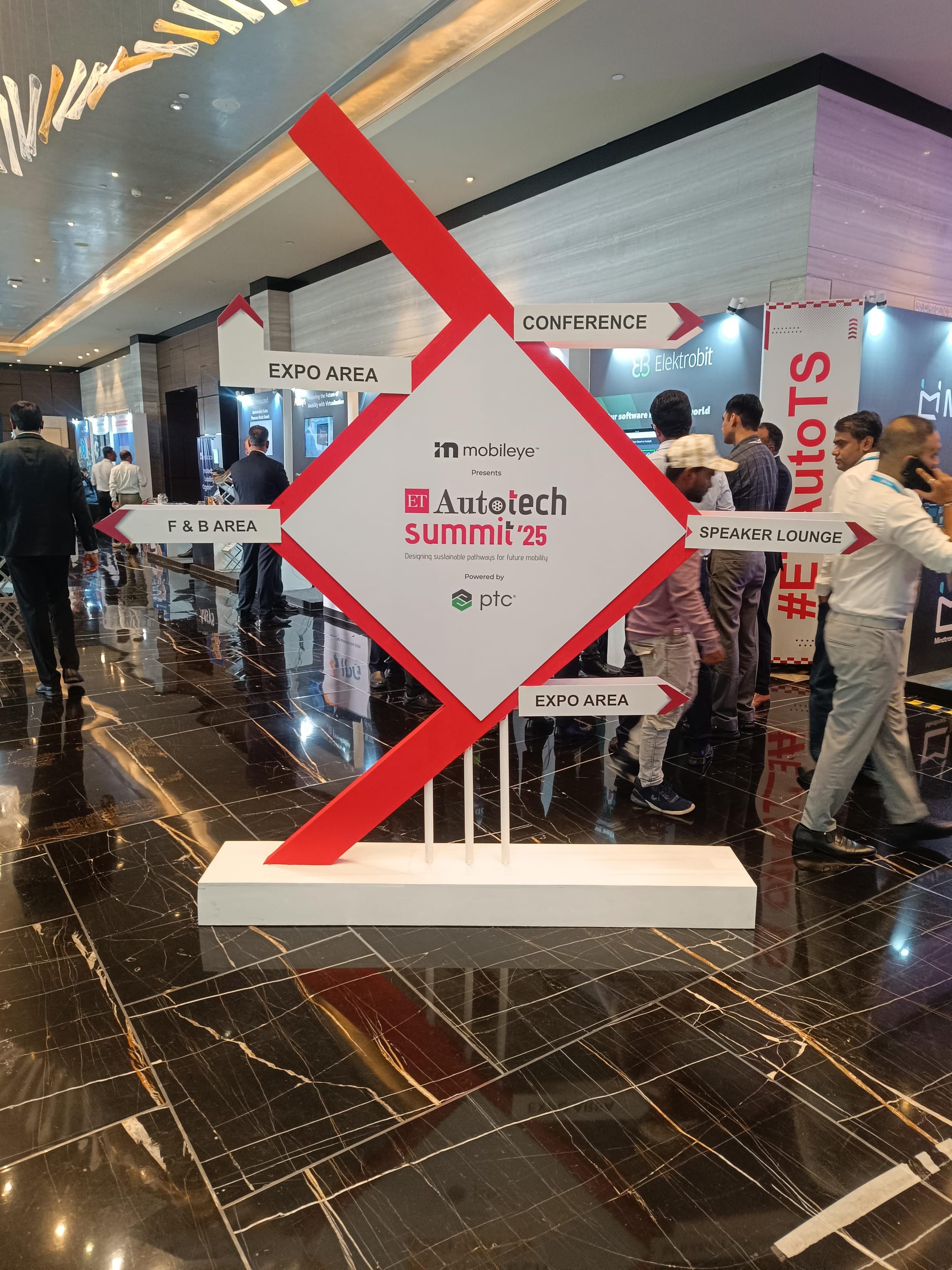
At the ETAuto Tech Summit 2025 in Bangalore, there was a quiet but powerful shift in the air. This wasn’t just another industry meet-up, it was a pulse check on where India’s automotive industry is heading, and how it's beginning to take ownership of its future.
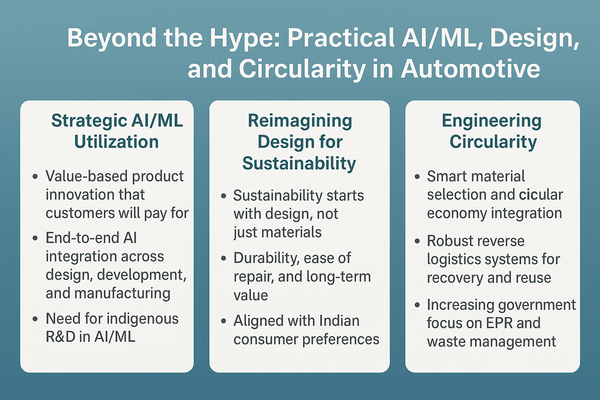
Several conversations across the summit echoed a common theme: India is no longer content being just a manufacturing base. We want to become the design hub, the R&D center, and the innovation engine, and not just for ourselves, but for the world.
Push for Localization
One of the most discussed topics was localization, especially under the Production-Linked Incentive (PLI) scheme. India is taking real, tangible steps to reduce its dependence on imports and grow its local manufacturing capabilities. It’s not just about cutting costs anymore; it’s about building long-term resilience and capability within our country.
In several sessions, leaders emphasized how crucial it is to develop core components like EV batteries, chips, and power electronics locally. The ambition isn’t to catch up but to lead. This is India’s "Make in India, Make for the world!" moment.
R&D and the Innovation Ecosystem
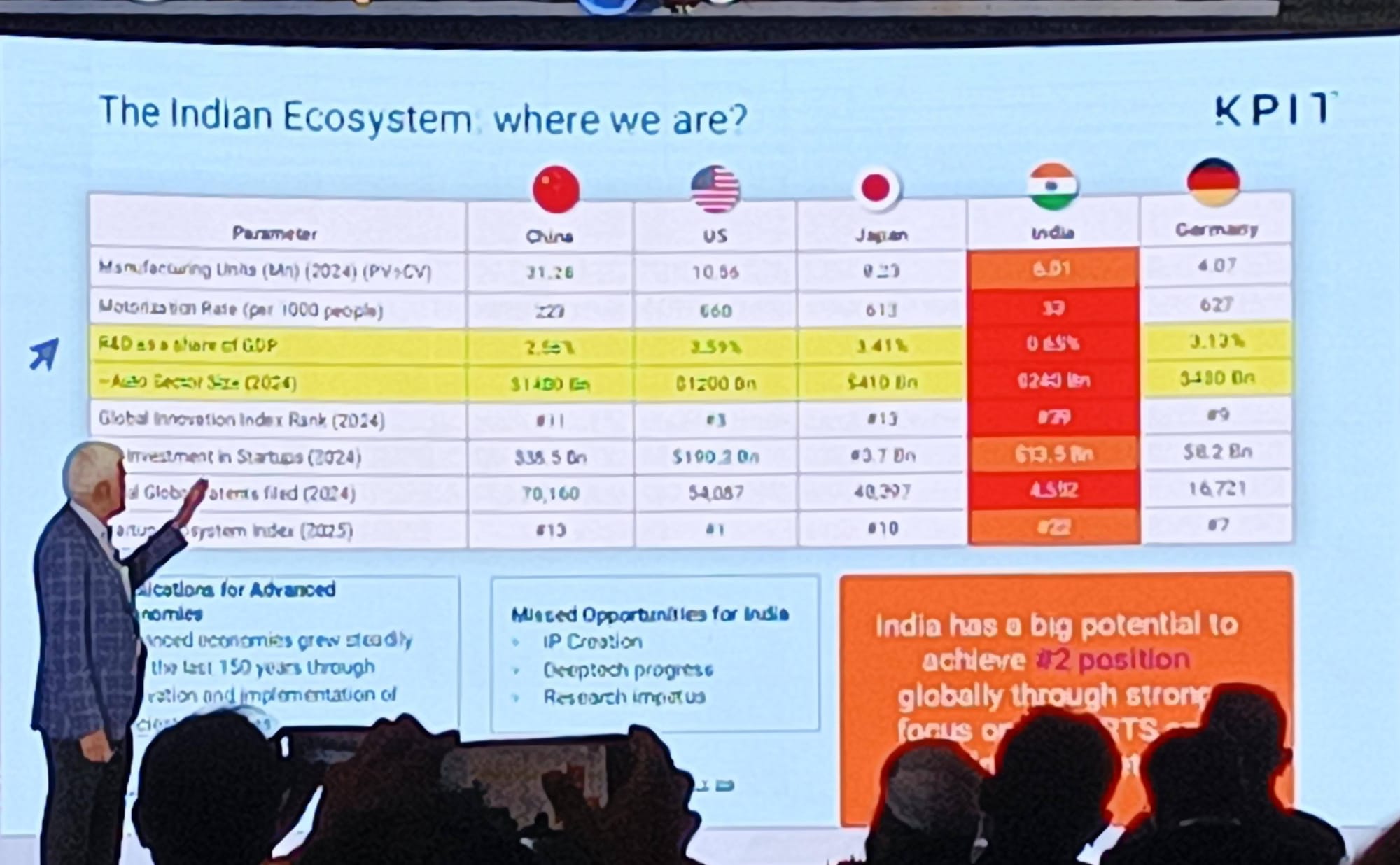
But localization alone isn’t enough. To truly lead, India needs to invest heavily in R&D. This was a strong callout in the summit - how we must go beyond assembling vehicles and start building intellectual property.
A lot of interesting points came up pointing to how academia and industry need to collaborate more meaningfully. It’s no longer about hiring talent from top institutes anymore it’s about co-creating solutions with them. Whether through joint research initiatives, POCs, or early-stage breakthroughs, there’s a growing wave that India must strengthen its innovation pipeline from the ground up.
The Software-Defined Vehicle Era
The conversation took a fascinating turn when speakers began discussing Software Defined Vehicles (SDVs). Cars are rapidly evolving from mechanical machines to tech platforms and this is where India’s real edge lies.
With one of the world’s largest software talent pools, India is uniquely positioned to lead in this space - Numbers shown for 5Mil SDE in India with 1.5Mil joining every year. From writing code for infotainment systems to developing full-stack autonomous driving solutions, Indian engineers are already contributing to global automotive software. The summit highlighted how this can become a strategic differentiator for us, especially as more vehicles become defined by their software, not just their engines. But on the contrary some pointed out the lack of "Skilled Engineers" available in our country.
The Role of Collaboration
Another clear takeaway from the summit was the importance of collaboration. The future of mobility isn’t being built by any one company; it’s being co-created by OEMs, Tier 1 suppliers, Raw material suppliers, tech startups, R&D centers, and most importantly government bodies.
Several speakers spoke about the need for shared platforms, open innovation models, and strong communication across all levels of the supply chain. Whether it's building safer vehicles, smarter infotainment, or sustainable EVs, partnerships are proving to be the key to scaling faster and better. - Big example was Daimler Trucks collaborating with Volve trucks to create their own software ecosystem.
Policy as an Enabler
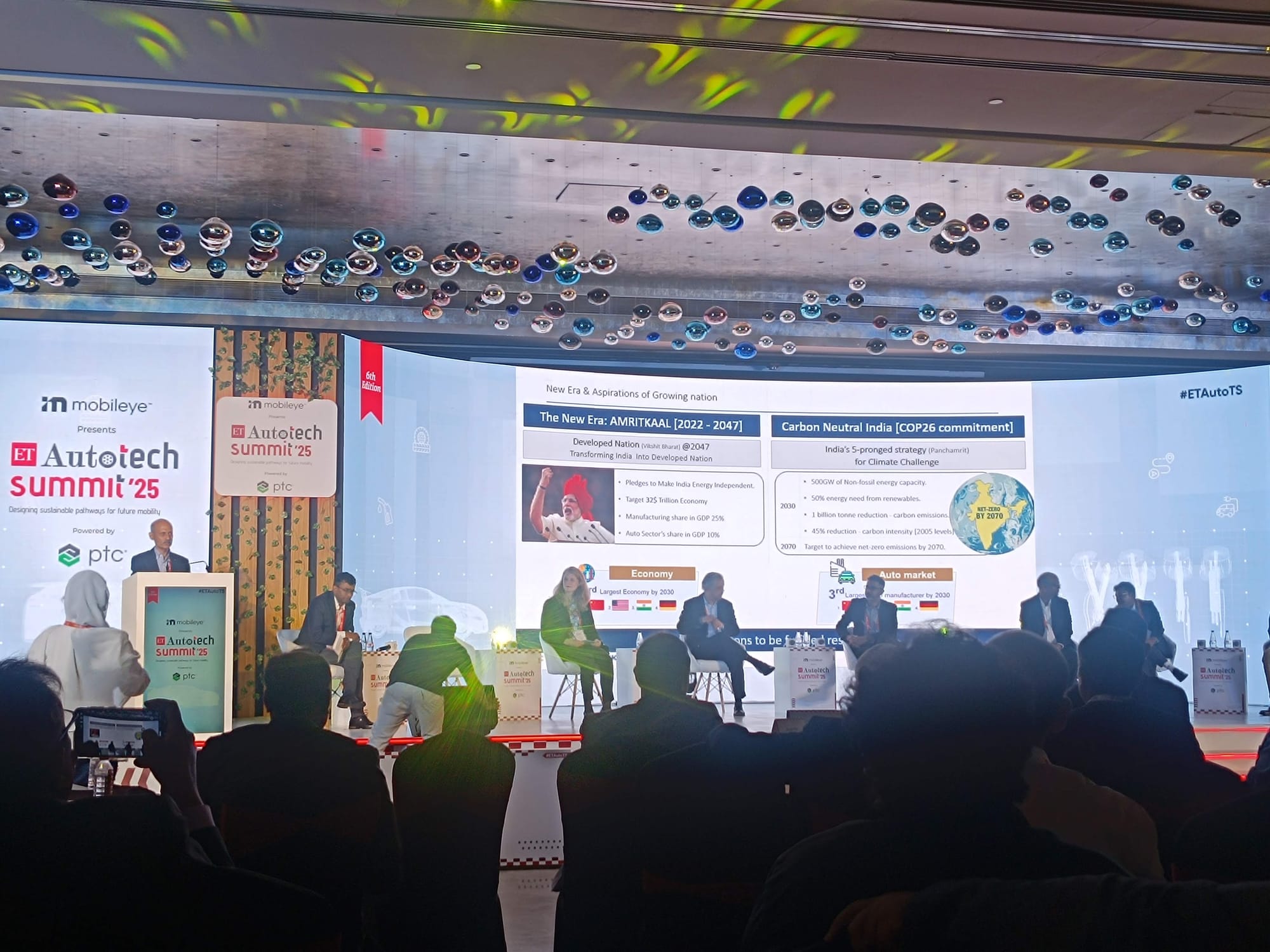
Of course, none of this would be possible without the right policy support. The government has taken already major strides through incentives, tax structures, and fast tracked clearances to encourage domestic innovation and attract global investments.
But more than policy, it’s the government’s intent that drives. There’s a clear shift from being regulators to being enablers. The goal is to help Indian companies compete globally not just on price, but on value.
A Moment of Reckoning
What made the discussions at ETAuto Tech Summit so impactful wasn’t just the technical depth. It was the sense of urgency. Everyone from industry veterans to young engineers to entrepreneurs seemed to agree that this is the moment. If India wants to shape the future of mobility, the time to act is now.
And in many ways, we already are. With a growing focus on self-reliance, a massive software advantage, and a culture of collaboration beginning to take root, India’s automotive industry is finally stepping into the driver’s seat of its own future.
Not just as a participant—but as a leader.